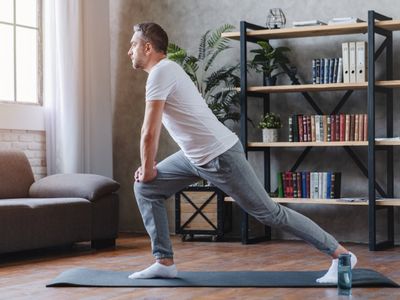
Dear men, once you have entered your 50s, while you rejoice that your children have made it to or graduated out of the coveted colleges and universities, pause a while.
Remember that by their 50s or 60s, more than nine in 10 older adults have developed or discovered that they have some type of chronic disease, and almost eight in 10 have more than one. So, unless you have really focussed on your own health until now, chances are, you’ll have one sooner or later. But you still have time and opportunity on your side, to set things right so as to lead a healthier life.
It is not just the riches and accolades, most men want to live longer and healthier. As you enter your 50s, you may feel your brain works better and faster than when you were 25. To combat the age-related decline, and to help preserve your brainpower (and memory) – follow a Mediterranean diet that’s rich in fruits, veggies, whole grains, and healthy fats like olive and canola oils. A Harvard newsletter shows 5 ways to make a few basic lifestyle changes to lower the chances of getting many age-related diseases and increase your chances of staying active and independent.
Let’s face it: you, in your 50s or 60s, can’t be as energetic, flexible, and strong as your 20-year-old version. Be practical and realize that you won’t be able to do the same. But exercise is the key to your independence and quality of life in old age. We’re extracting a few points from an article in Harvard Medical School Publications on 5 Ways Exercise Helps Men Live Longer, Better Living Risks, from heart disease to dementia.
What exercising can do for men:
Check your blood sugar level. The training is based on reserve sugar, which is stored in the muscles and the liver. As your body rebuilds this memory, it takes the sugar out of your blood. However, the fact is that the more intense your exercise, the longer your blood sugar levels will last. We recommend that those affected do not increase their training intensity arbitrarily without consulting their doctor.
Have a healthier heart. There is no fat, but being fit. Obesity is accompanied by a number of problems that ultimately affect the heart. Be it elevated levels of lipids, triglycerides, cholesterol, name it whatever you want. A sedentary lifestyle begins to show in the heart. Blood pressure damages the arteries and the walls and valves of the heart. Exercise will reduce most of these problems and benefit your heart health. But start slowly, especially if you haven’t exercised in a while. Or when you start a new activity that your body is not used to. Start with 10 minutes and gradually increase how long, how often, or how intensely you exercise.
Keep your brain sharp. When your body is enjoying unhindered blood circulation and is not gathering high cholesterol as you are exercising regularly, the risk of a stroke gets diminished. Several studies suggest that exercise might also help ward off Alzheimer’s disease and other forms of dementia, says the Harvard newsletter.
Potentially Lower Risk of Cancer There is strong evidence that higher levels of physical activity are associated with lower risk of various types of cancer. In a meta-analysis from 2014 with 11 cohort studies and 4 case-control studies, the risk of bladder cancer was 15% lower for people with the highest level of leisure or occupational activity than those with the lowest. Similar conclusions were drawn for colon and lung cancers. No evidence that exercise reduces the risk of prostate cancer. But once a man is diagnosed, physical activity can reduce the likelihood of spread.
Stay strong and mobile. Men who have generally been more physically active over the course of their lives are less likely to lose bone mass as they age since exercise has been shown to protect bone density. Regular exercises may help prevent osteoporosis in men by facilitating bone growth, according to the study published in Bone.
- Comment
-
Subscribe
Subscribed
Have a WordPress.com account? Log in now.

